Home › Commercial Concrete Sealing and Coatings
Extend the life of your surfaces with commercial concrete sealing in Miami Concreters, FL. We apply sealers and coatings on warehouse floors, parking decks, and exterior flatwork. Our systems resist chemicals, stains, and abrasion to keep concrete looking clean and professional.
Miami Concreters provides professional commercial concrete sealing throughout Miami Concreters, FL, Florida and the surrounding area. Our licensed, insured crew delivers safe, clean, on-time work with a free estimate before anything begins. Call (786) 574-9029 or request your free quote.
Commercial Concrete Sealing for Miami Businesses
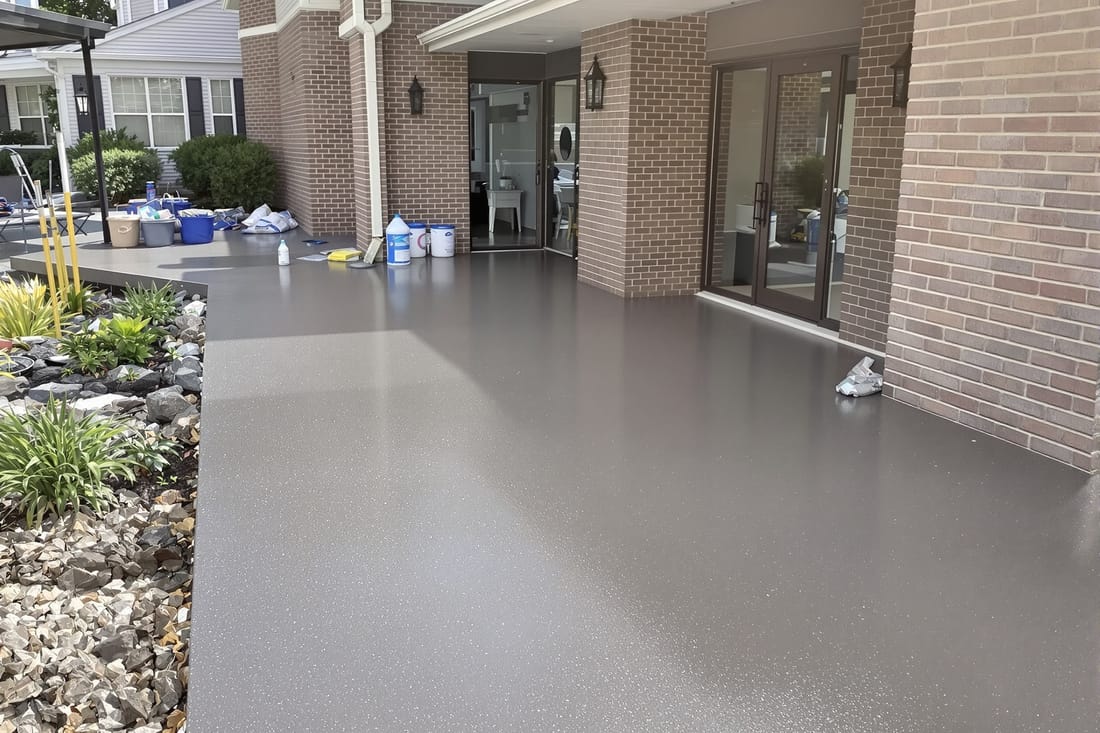
Heavy foot traffic, constant sun, and frequent rain in Miami Concreters, FL are hard on commercial concrete. At Miami Concreters, our commercial concrete sealing and coatings service is built around local conditions, so your sidewalks, loading areas, drive lanes, and warehouse floors stay protected and easier to maintain.
We focus on what matters to property managers and business owners: safety, appearance, and downtime. Before any product is chosen, we walk the property with you, identify traffic patterns, exposure to sun and salt air, and any drainage or ponding issues. A sidewalk at a medical office with rolling gurneys needs a very different finish than a forklift aisle or a restaurant patio near the bay.
Our team is used to working in occupied properties. We plan sealing and coating work in sections so your entrances stay open as much as possible, and we schedule during off hours when needed. The goal is for your concrete to get long lasting protection with as little disruption to your tenants or customers as we can manage.
How Our Commercial Concrete Sealing Process Works
A durable coating starts with proper surface preparation. On most commercial projects we begin with a site evaluation and moisture testing, especially on ground-level slabs that see Florida groundwater influence. High moisture vapor can push coatings off if it is not addressed.
Once we know the slab condition, our crew performs mechanical preparation. For exterior flatwork this usually means pressure washing with a commercial unit, degreasing of oil spots, and then diamond grinding or shot blasting in high traffic or previously coated areas. For interior warehouse floors, we typically rely on dust-controlled diamond grinders to open the concrete pores and remove weak surface paste, adhesives, or failing coatings.
Cracks and surface defects are then repaired with compatible materials. Hairline cracks may be routed and filled with a flexible urethane or epoxy, while larger structural cracks or spalls are rebuilt with a high strength repair mortar. Joint edges are examined, and we discuss with you whether expansion joints should remain exposed or receive a semi-rigid filler, depending on forklift use and cleaning requirements.
Only after this preparation do we apply the chosen commercial concrete sealing system. For penetrating sealers, we spray and back-roll for uniform coverage, applying one or two coats depending on porosity. For film-forming coatings like epoxies or polyaspartics, we apply a primer coat, then a body coat, and, if specified, a topcoat that includes additives for slip resistance or chemical resistance. Each layer is allowed to cure to manufacturer specs, adjusted to match Miami humidity and temperature so you get the adhesion and performance you are paying for.
Sealer and Coating Options for Miami Commercial Properties
Different commercial spaces demand different concrete protection. At Miami Concreters, we explain your options in straightforward terms, with real world examples from other Miami Concreters, FL properties.
Penetrating sealers (silane, siloxane, or blended products) are common on exterior walkways, parking decks, and exposed stairwells. They soak into the surface and help repel water and chlorides without changing the texture of the concrete much. These are ideal if you want to maintain a natural, non-gloss finish that meets accessibility requirements.
Acrylic sealers, usually solvent or water-based, are often used on decorative concrete that needs color enhancement or a moderate gloss, such as stamped concrete entry features or colored sidewalks in retail centers. In our climate, we favor UV resistant formulations that do not turn yellow under intense sun. We also use slip resistant additives when there is any chance of water or spilled drinks.
For interior commercial floors that see heavy loading, such as warehouses, shops, or production areas, we typically recommend multi-coat epoxy or polyaspartic systems. Epoxies offer excellent chemical and abrasion resistance and can be combined with quartz or flake systems for added texture and color. Polyaspartic topcoats cure faster and handle UV exposure better, so we often use them as a final layer where quick return to service is important.
In areas like commercial kitchens, auto service bays, and labs, we can specify thicker, trowel-applied systems or hybrid coatings with higher chemical and hot tire resistance. Every product we install is chosen with three questions in mind: what spills will it see, how often will it be cleaned, and how much downtime can your operations tolerate.
Local Climate Factors in Miami Concreters, FL
South Florida weather should drive your concrete sealing plan. Constant UV exposure breaks down unprotected surfaces, and frequent storms push water and contaminants into the pores of the slab. In coastal parts of Miami Concreters, FL, salt-laden air and occasional tidal flooding accelerate corrosion of reinforced concrete. Commercial properties near parking garages or on multi-level decks are especially vulnerable.
At Miami Concreters, we schedule most exterior sealing work during drier periods and watch the forecast closely. Even with fast curing products, you need a window with no rain at the wrong time, or water marks and whitening can occur on some film-forming sealers. Our crews monitor surface temperature, not just air temperature, since sun on concrete can easily raise the slab above safe application limits.
Humidity is another local factor. Some coatings are sensitive to moisture during cure and can blush (a cloudy or milky appearance) if humidity is too high. We adjust start times, ventilation, and product choice to account for typical Miami conditions. When needed, we phase work so high risk areas like shaded courtyards or covered entries are done when they are driest.
Drainage and ponding water are also addressed during our inspection. If we see low spots that regularly hold water, we will recommend minor surface profiling, added drains, or choosing a system more tolerant of intermittent standing water. The goal is to match the sealing or coating system to how your property actually behaves through a Miami rainy season.
Costs, Timelines, and Minimizing Business Disruption
Two commercial properties of the same size can have very different costs for commercial concrete sealing because the details matter. At Miami Concreters, we walk you through the factors that drive pricing so there are no surprises.
Key cost drivers include the current condition of the concrete, the level of surface preparation required, the type and number of coating layers, and access constraints. A lightly worn sidewalk that only needs cleaning and a penetrating sealer is on the lower end. A warehouse with oil contamination, old failing coatings, and active forklift traffic will require more prep, heavier duty products, and likely joint rebuilding, which adds to labor and material costs.
Timeline is tied to coating type and square footage. Penetrating sealers on exterior flatwork can often be completed in a day or two, with areas reopening within several hours. Multi-coat epoxy or polyaspartic systems on large interior floors may span several days, especially if we are phasing the work to keep part of the facility operational. We provide a detailed schedule that shows when each section will be closed and reopened.
To minimize disruption, we can work overnight or on weekends for suitable spaces. We also coordinate with your property management or operations team to set up temporary access routes, signage, and any required tenant notices. Before work begins, we give you clear guidelines on curing times for foot, pallet jack, and forklift traffic so you can plan around your busiest hours. Commercial concrete sealing is an investment, and we want it to support your operations, not interfere with them.
What Miami Businesses Should Know Before Hiring a Concrete Sealer
Choosing the right contractor for commercial concrete sealing in Miami Concreters, FL is as important as the product itself. Ask any company you consider about their experience with surfaces similar to yours. The requirements for a hospital drop-off lane are different from those for a distribution center, and your contractor should be able to speak to both performance and maintenance in detail.
At Miami Concreters, we encourage you to look for clear documentation. This includes written scope of work, specific product names and data sheets, thickness or coverage rates, surface preparation methods, and curing times. Avoid vague proposals that simply say "seal concrete" without clarifying how and with what. This is often where expectations and results drift apart.
You should also understand maintenance after sealing or coating. Some high performance systems require only neutral cleaner and periodic inspection, while acrylic sealers on decorative flatwork may need reapplication every few years, especially in high sun exposure. We provide simple maintenance guidelines tailored to your property so your staff knows what cleaning agents are compatible and what to avoid.
Finally, verify that the contractor carries appropriate insurance and follows OSHA safe practices, especially for night work or projects near public access. Commercial properties have higher liability exposure, and your vendor should work as if they are part of your safety culture. When you work with Miami Concreters, our goal is to protect your concrete, your operations, and your reputation with a system that suits Miami conditions and your specific commercial needs.